Yaku and scoring in chinitsu
A closed chinitsu hand is worth 6 han on its own, so it is always at least haneman, and you never need to count fu. What decides the value is which other yaku come with it. Because those yaku depend on how the hand is read, the same hand can be worth very different amounts depending on the winning tile.
Unless a diagram says otherwise, the examples below use EMA rules, and you are a non-dealer without riichi or dora. Each caption shows the yaku and value computed by the engine that marks the quizzes.
Value bands
| Han | Band | Non-dealer ron | Non-dealer tsumo |
|---|---|---|---|
| 6–7 | haneman | 12,000 | 3,000 / 6,000 |
| 8–10 | baiman | 16,000 | 4,000 / 8,000 |
| 11–12 | sanbaiman | 24,000 | 6,000 / 12,000 |
13 han or more is still sanbaiman under EMA rules, but a yakuman (kazoe yakuman: 32,000 by ron) under Mahjong Soul rules. So the questions that matter are: does the hand reach 8 han (baiman) or 11 han (sanbaiman)?
Chinitsu alone
When the winning tile adds no other yaku, a ron is 6 han (haneman). A tsumo adds menzen tsumo (1 han), which is still haneman.
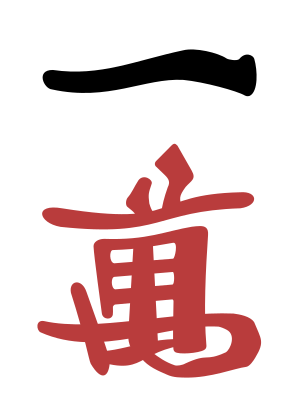
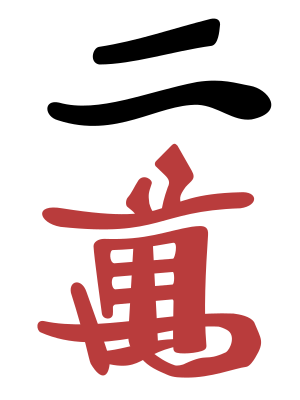
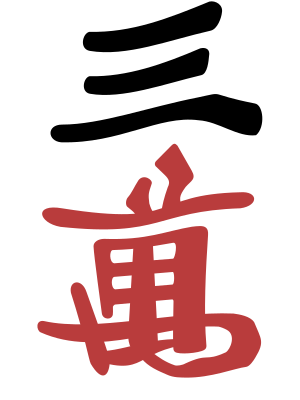
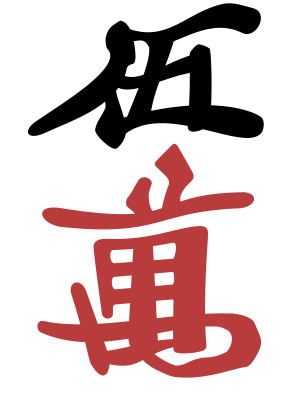
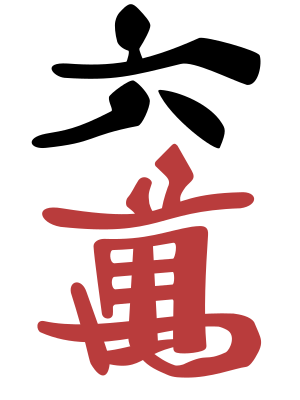
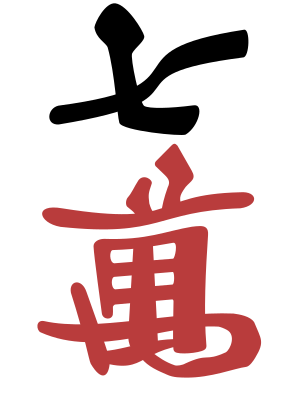
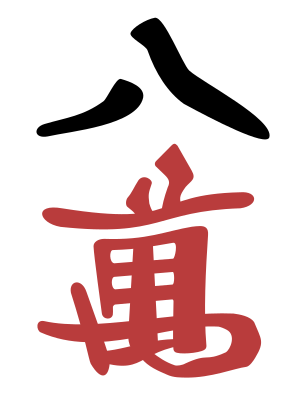
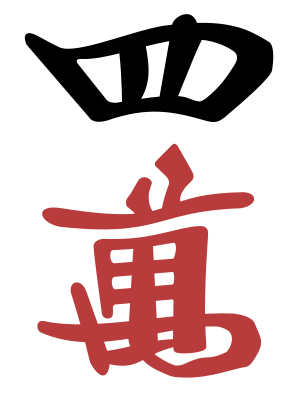
Yaku that combine with chinitsu
These are the yaku a closed one-suit hand can have:
- pinfu (1 han): all four sets are runs and the winning tile completes a ryanmen. The pair is never an honour tile here, so only the shape matters.
- tanyao (1 han): no 1s or 9s.
- iipeikou (1 han): two identical runs. ryanpeikou (3 han): two such pairs of runs; it replaces iipeikou.
- ittsuu (2 han): 123, 456 and 789.
- chiitoitsu (2 han): seven different pairs.
- toitoi (2 han): four triplets. sanankou (2 han): three concealed triplets.
- junchan (3 han): every set and the pair contain a 1 or a 9.
- menzen tsumo (1 han): winning by tsumo with a closed hand.
- Yakuman: suuankou (four concealed triplets) and chuuren poutou (nine gates).
For every yaku, including those that cannot come with chinitsu, see the yaku in the Scoring Trainer.
The winning tile changes the value
This hand from How to read chinitsu waits waits on 2, 5 and 8, and each wait is worth something different.
With 2, the hand is four runs with a ryanmen wait and no 1s or 9s: pinfu and tanyao.
With 5, two of the runs are identical, which adds iipeikou.
With 8, the hand can be read as 22 345 345 678 678: two pairs of identical runs (ryanpeikou), and the 8 completes 678 from a two-sided 67, so pinfu and tanyao apply too. The same tiles can also be read as 234 234 567 567 88, where the 8 is the pair (a tanki wait, so no pinfu), or as seven pairs. When one hand can be read in several ways, the reading worth the most counts, and the caption shows which one that is.
The same hand ranges from baiman to sanbaiman. Seeing this difference for each wait is what the upcoming score quiz will train.
Chiitoitsu
When seven pairs is the only way to read the hand, chinitsu + chiitoitsu gives 8 han, which is already baiman.
Ittsuu
Look for 123, 456 and 789. In this hand, winning on 6 gives ittsuu with pinfu.
Winning on 9 in the same hand adds iipeikou as well, and tsumo pushes it into sanbaiman.
Concealed triplets: ron or tsumo matters
A triplet completed by ron counts as open, so it is not a concealed triplet. A triplet completed by tsumo stays concealed. This matters most with shanpon waits.
In this hand, waiting on 7 or 9, a ron on 9 gives toitoi and sanankou (111, 333 and 555 are concealed; 999 is not). A tsumo on 9 makes all four triplets concealed: suuankou, a yakuman.
13 han or more: the rules differ
Under EMA rules, any hand of 11 han or more without a yakuman is sanbaiman. Under Mahjong Soul rules, 13 han or more counts as a yakuman (kazoe yakuman). This hand reaches 13 han with junchan, ryanpeikou and pinfu.
Every difference between the two rule sets is listed in rule differences.
Yakuman
Chuuren poutou (nine gates) is 1112345678999 plus any tile.
When the 13 tiles before the win are exactly 1112345678999, the hand waits on all nine tiles. Mahjong Soul scores this nine-sided version as a double yakuman; EMA scores it as a yakuman.
Suuankou on a single wait (tanki) counts even by ron, because the winning tile completes the pair, not a triplet. Mahjong Soul again scores it as a double yakuman.
Summary
- Chinitsu alone is haneman. The question is always whether other yaku lift it to baiman or beyond.
- Read the hand for each wait separately: the winning tile decides pinfu, iipeikou, ittsuu and the triplets.
- When a hand can be read several ways, the reading worth the most counts.
- Check which rules you play: EMA and Mahjong Soul differ at 13 han and for double yakuman.